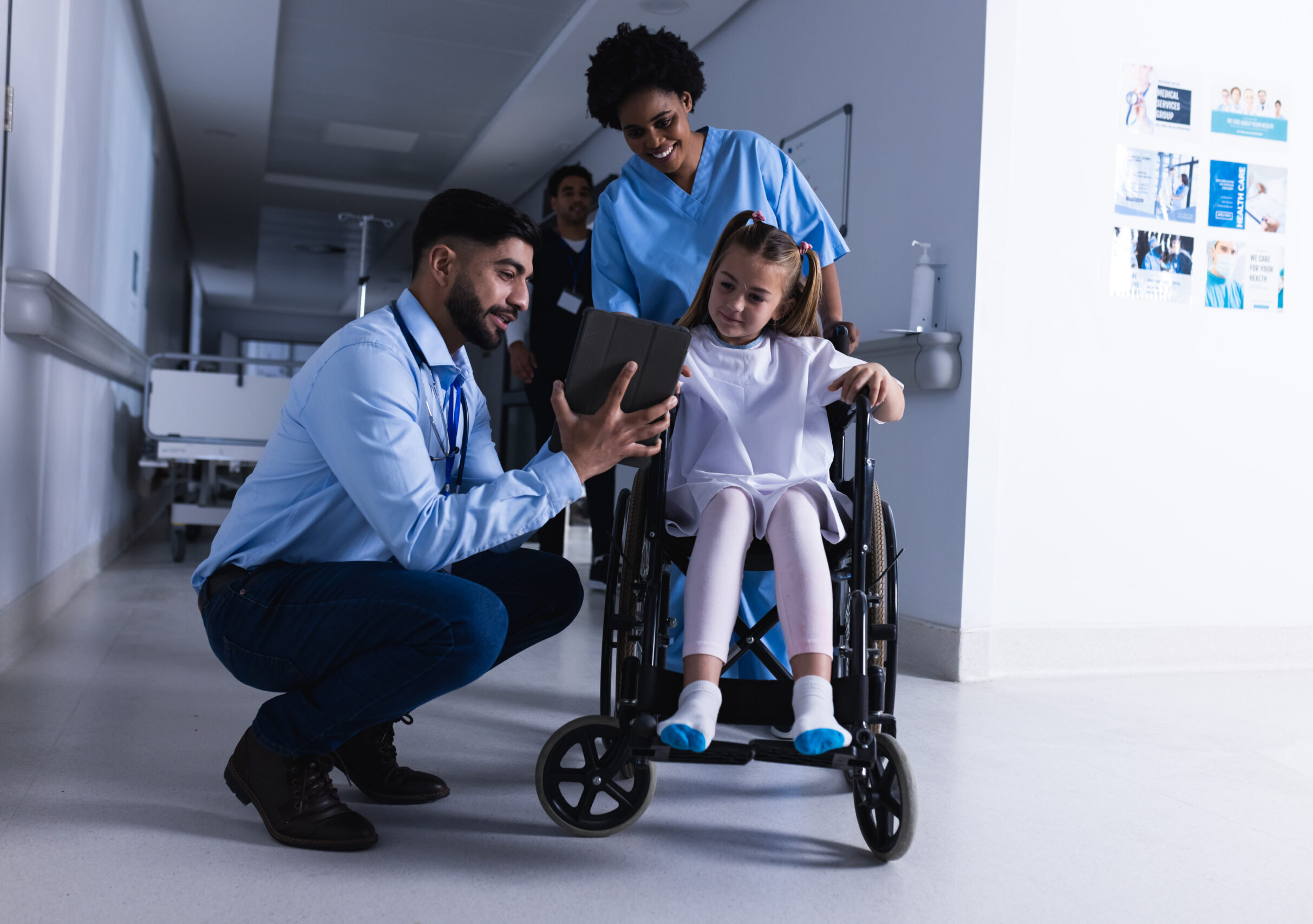
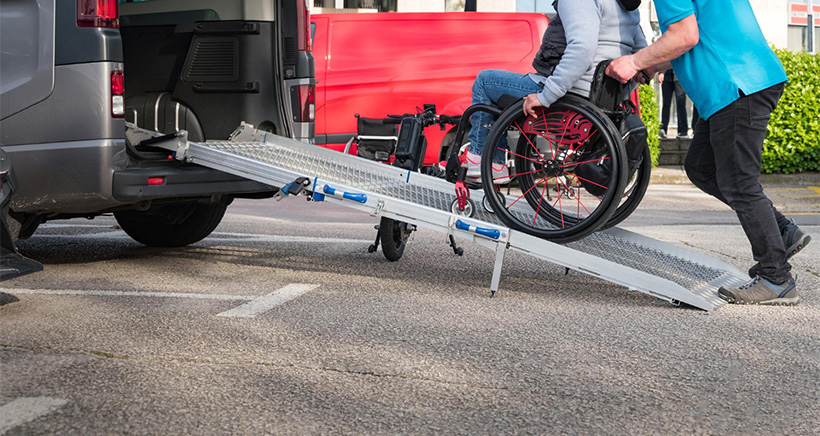
Recovery does not end at discharge.
Whether following orthopedic procedures or other complex surgical interventions, the early post-discharge interval represents a clinically sensitive transition phase. During this period, avoidable mechanical strain, environmental instability, or disruption to rehabilitation and follow-up schedules can influence positioning integrity, comfort, and recovery progression.
Mobility becomes a critical variable in protecting surgical stability and supporting functional restoration.
Eunoia Mobility provides clinically-informed, non-clinical mobility structured to support safe, stable, and dignified movement between discharge and functional independence. Each transfer is intentionally designed to reduce avoidable mechanical, environmental, and scheduling instability — delivered within clearly defined non-clinical boundaries.

For medically stable individuals following orthopedic or complex surgical procedures.
Mobility Considerations:
Outcome Focus: Protect early-stage recovery stability during the initial post-clinical transition phase.
Structured, recurring mobility aligned with rehabilitation schedules.
Mobility Considerations:
Outcome Focus: Preserve rehabilitation continuity and support functional progression.
Reliable mobility for outpatient diagnostics, reassessments, and follow-up care.
Mobility Considerations:
Outcome Focus: Ensure predictable access between care touchpoints without avoidable strain.

Recovery-aware mobility across extended or international care pathways.
Mobility Considerations:
Outcome Focus: Maintain stability across non-clinical environments during vulnerable recovery phases.
Structured mobility across extended recovery itineraries and complex residential environments.
Residence → Entry → Transition → Interior Access
Mobility Considerations:
Outcome Focus: Reduce environmental friction and transitional fall risk while preserving non-clinical boundaries.
Structured, non-clinical mobility across complex recovery itineraries.
Hospital → Imaging → Rehabilitation → Residence
Mobility Considerations:
Outcome Focus: Preserve stability across extended recovery sequences while minimizing cumulative fatigue.
This structured mobility model reflects recovery logistics principles used by leading orthopedic and surgical institutions globally — without listing conditions, making diagnoses, or assuming clinical authority.
Eunoia Mobility does not provide medical treatment, clinical assessment, or therapeutic intervention.
We operate as a clinically-informed, non-clinical mobility layer during orthopedic and complex surgical recovery — protecting dignity, stability, and continuity throughout the transition from discharge to functional independence.

At Eunoia Mobility, we use cookies and similar technologies to enhance your browsing experience, provide secure and accessible transport services, and analyze our website traffic to continuously improve our performance.
By accepting, you consent to the use of these technologies. You can adjust your preferences at any time in our Cookie Settings.

Clinically-informed, non-clinical mobility structured around recovery protection
Eunoia Mobility functions as a structured recovery mobility layer during the clinically vulnerable post-discharge interval.
We support recovery journeys — not diagnoses.
Once a patient leaves the clinical environment, mobility becomes a critical variable in protecting positioning stability, preserving surgical integrity, and supporting functional restoration. The early recovery window is mechanically and environmentally sensitive, where avoidable strain or disruption may influence comfort, stability, and continuity.
Our role is to provide predictable, recovery-aware movement between discharge and functional independence — delivered within clearly defined non-clinical boundaries.