Neuro Rehabilitation &
Sensory Safe Mobility

How We Support Neuro Rehabilitation & Sensory-Safe Mobility

Clinically-informed, non-clinical mobility structured around neurological stability, sensory regulation, and predictable transitions between care environments.

Eunoia Mobility functions as a structured mobility layer supporting individuals navigating neurological recovery, neurodevelopmental conditions, and rehabilitation programs.

We support recovery journeys — not diagnoses.

Neuro-rehabilitation journeys may include individuals recovering from stroke, traumatic brain injury (TBI), spinal cord injury, neurological surgery, neurodegenerative conditions, or neurodevelopmental disorders.

Eunoia Mobility does not diagnose, assess, or treat these conditions. Our role is limited to supporting predictable, recovery-aware mobility between care environments following documented external clinical clearance and within clearly defined non-clinical scope boundaries.

For individuals participating in neuro-rehabilitation or living with neurological and neurodevelopmental conditions, mobility between environments can influence cognitive load, sensory regulation, fatigue thresholds, and emotional stability. Transitions between care settings, therapy environments, educational programs, and home may introduce unpredictable stimuli that can disrupt routines or increase stress during sensitive recovery phases.

Neurological recovery often benefits from environments that minimize cognitive overload, sensory disruption, and unpredictable transitions during everyday mobility.

Neurological rehabilitation programs frequently emphasize the importance of environmental stability during recovery. Predictable mobility environments can help reduce avoidable cognitive load, sensory disruption, and transition-related stress between care settings.

Our role is to provide predictable, sensory-aware mobility that supports stable transitions between care environments while operating strictly within clearly defined non-clinical boundaries.

Our Approach

Neurological rehabilitation extends beyond the clinical environment.

Many individuals participating in neuro-rehabilitation rely on structured routines, stable environments, and carefully managed transitions between therapy programs, medical appointments, educational settings, and home. Sudden environmental changes, unpredictable travel conditions, or excessive sensory stimulation can contribute to cognitive fatigue, emotional dysregulation, or disruption to rehabilitation schedules.

Mobility therefore becomes an important logistical factor in maintaining continuity across rehabilitation programs and daily life environments.

Neurological rehabilitation often relies on consistency across environments to support recovery routines, cognitive focus, and emotional stability. Predictable transitions between therapy settings, educational environments, and home can help individuals maintain structured routines and reduce avoidable stress during recovery phases. While Eunoia Mobility does not participate in clinical care or rehabilitation planning, structured mobility coordination can support the stability of these transitions within clearly defined non-clinical boundaries.
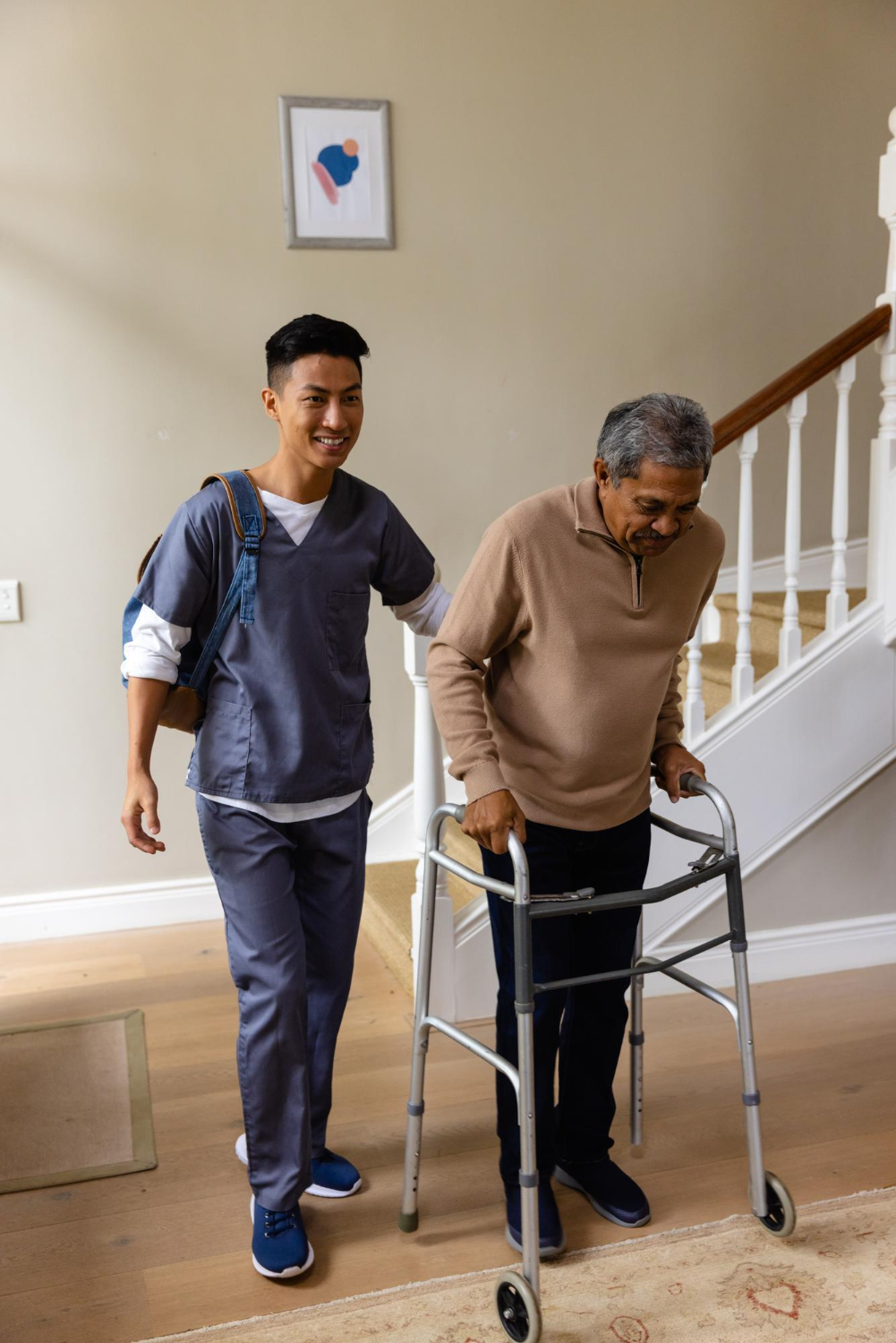
Eunoia Mobility provides clinically-informed, non-clinical mobility designed to support calm, predictable, and dignity-centered transitions between care environments. Each journey is intentionally structured to reduce avoidable environmental stress, sensory disruption, and transition instability.

All mobility services are provided only following documented external clinical clearance, and Eunoia Mobility operates strictly within clearly defined non-clinical scope boundaries.

Our mobility framework focuses on three core principles:

Predictability
Consistent routines, reliable arrival windows, and structured transitions help reduce uncertainty during mobility and support stable movement between rehabilitation environments.

Sensory Awareness
Travel environments are designed to minimize unnecessary sensory stimulation where possible, supporting individuals who benefit from calm, predictable surroundings.

Cognitive Energy Preservation
Mobility planning considers fatigue levels, therapy schedules, and recovery routines so individuals can conserve cognitive energy for rehabilitation activities rather than transportation stress. Neurological rehabilitation often requires careful management of cognitive and physical energy throughout the day, and predictable mobility helps preserve that energy for therapy and recovery activities.

Neuro Rehabilitation Pathways We Support

Rehabilitation & Therapy Continuity

Structured mobility supporting participation in neuro-rehabilitation programs.

Examples may include:

  • Physical therapy
  • Occupational therapy
  • Neuro-rehabilitation programs
  • Behavioral therapy
  • Speech and language therapy

Mobility Considerations:

  • Predictable arrival windows
  • Consistent scheduling routines
  • Reduced transition stress
  • Calm and structured travel environments

Outcome Focus: Support rehabilitation continuity and preserve routine stability across therapy programs.

Cognitive & Neurological Follow-Up Care

Reliable mobility for neurological evaluations, follow-up appointments, and rehabilitation reassessments.

Mobility Considerations:

  • Controlled entry and exit transitions
  • Reduced waiting-time fatigue
  • Appointment-aligned routing
  • Energy-aware pacing

Outcome Focus: Preserve cognitive energy and stability during travel between care touchpoints.

Sensory-Safe Mobility for Neurodivergent Individuals

Mobility environments structured to reduce sensory overload and environmental stressors.

This approach supports individuals with neurodevelopmental or neurodivergent conditions who may benefit from structured routines, predictable environments, and reduced sensory stimulation during mobility.

Mobility Considerations:

  • Calm and predictable vehicle environment
  • Reduced sensory stimuli where possible
  • Consistent driver interaction style
  • Predictable routines and transitions

Outcome Focus: Support emotional regulation and sensory stability during mobility.

School & Developmental Program Mobility

Mobility supporting attendance at educational and developmental programs for neurodivergent children and young People of Determination.

Mobility Considerations:

  • Predictable daily routines
  • Familiar driver assignments when possible
  • Transition preparation and caregiver coordination
  • Calm and consistent travel environments

Outcome Focus: Support continuity between home, education programs, and therapy environments.

Rehabilitation Center → Residence Transitions

Mobility supporting individuals transitioning between rehabilitation programs and home environments.

Examples may include:

  • Rehabilitation Center → Residence
  • Therapy Program → Residence
  • Hospital Discharge → Rehabilitation Program

Mobility Considerations:

  • Structured transfer pacing
  • Environmental predictability
  • Caregiver coordination
  • Controlled vehicle entry and exit

Outcome Focus: Support stability during transitional phases of neurological recovery.

Additional Mobility Support

Environment-Aware Home Access

Mobility supporting individuals navigating complex residential environments.

Examples may include:

  • Residence → Entry → Transition → Interior Access

Mobility Considerations:

  • Narrow entrances or stairs
  • Elevator or building access constraints
  • Parking and entry coordination
  • Controlled arrival pacing

Outcome Focus: Reduce environmental friction and support safe transitions within non-clinical boundaries.

Multi-Stop Rehabilitation Days

Mobility coordination across multiple rehabilitation appointments in a single day.

Example:

  • Therapy → Imaging → Rehabilitation → Residence

Mobility Considerations:

  • Sequenced routing
  • Energy conservation pacing
  • Reduced cumulative fatigue
  • Structured transition timing

Outcome Focus: Preserve neurological stability across extended rehabilitation schedules.

Non-Clinical Scope & Structural Boundary

Help Me Find the Right Support

We’ll guide you to the right mobility system.

Medical & Injury Mobility