Neuro Rehabilitation &
Sensory Safe Mobility

For Families & Caregivers

This pathway provides clear, structured guidance for families and caregivers arranging mobility following external medical clearance.

Eunoia Mobility delivers non-clinical transport designed to support comfort, stability, and predictable coordination during neurological recovery and rehabilitation journeys.

Our role is to help families move safely and predictably between therapy programs, care environments, and home while maintaining clearly defined non-clinical boundaries.

Our approach prioritizes dignity, comfort, and predictable transitions so individuals can move between environments with confidence and stability.

Many individuals navigating neurological recovery or neurodevelopmental conditions benefit from calm environments, predictable routines, and respectful communication. Eunoia Mobility is designed to support these needs while maintaining clearly defined non-clinical boundaries.

What to Expect on the Day of Transport:

  • Arrival confirmation and clear timing updates

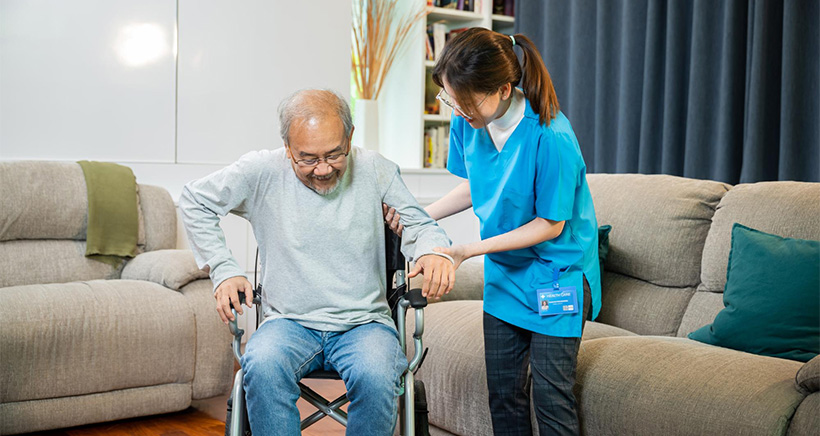
  • Calm, professional introduction and boarding support

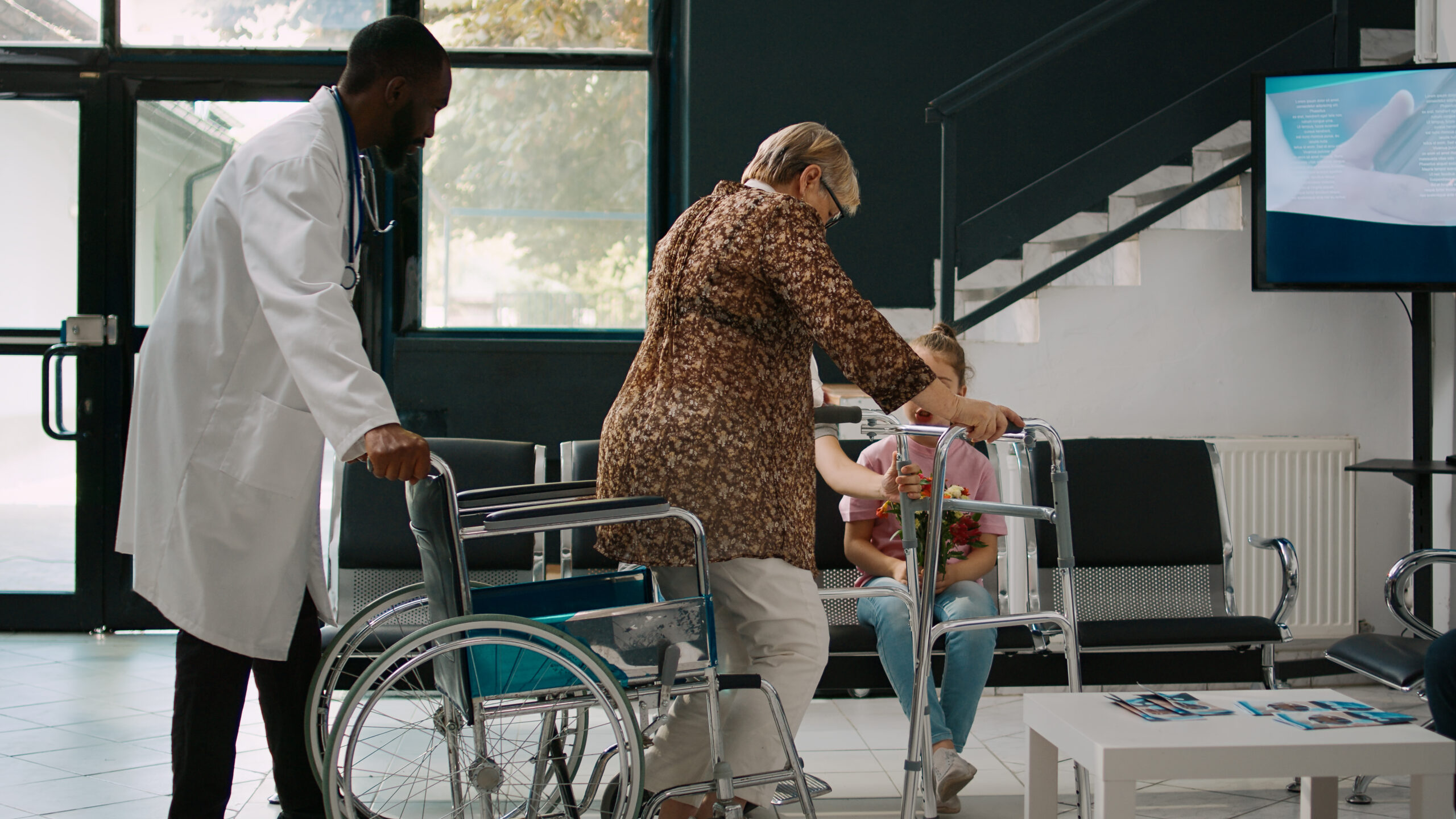
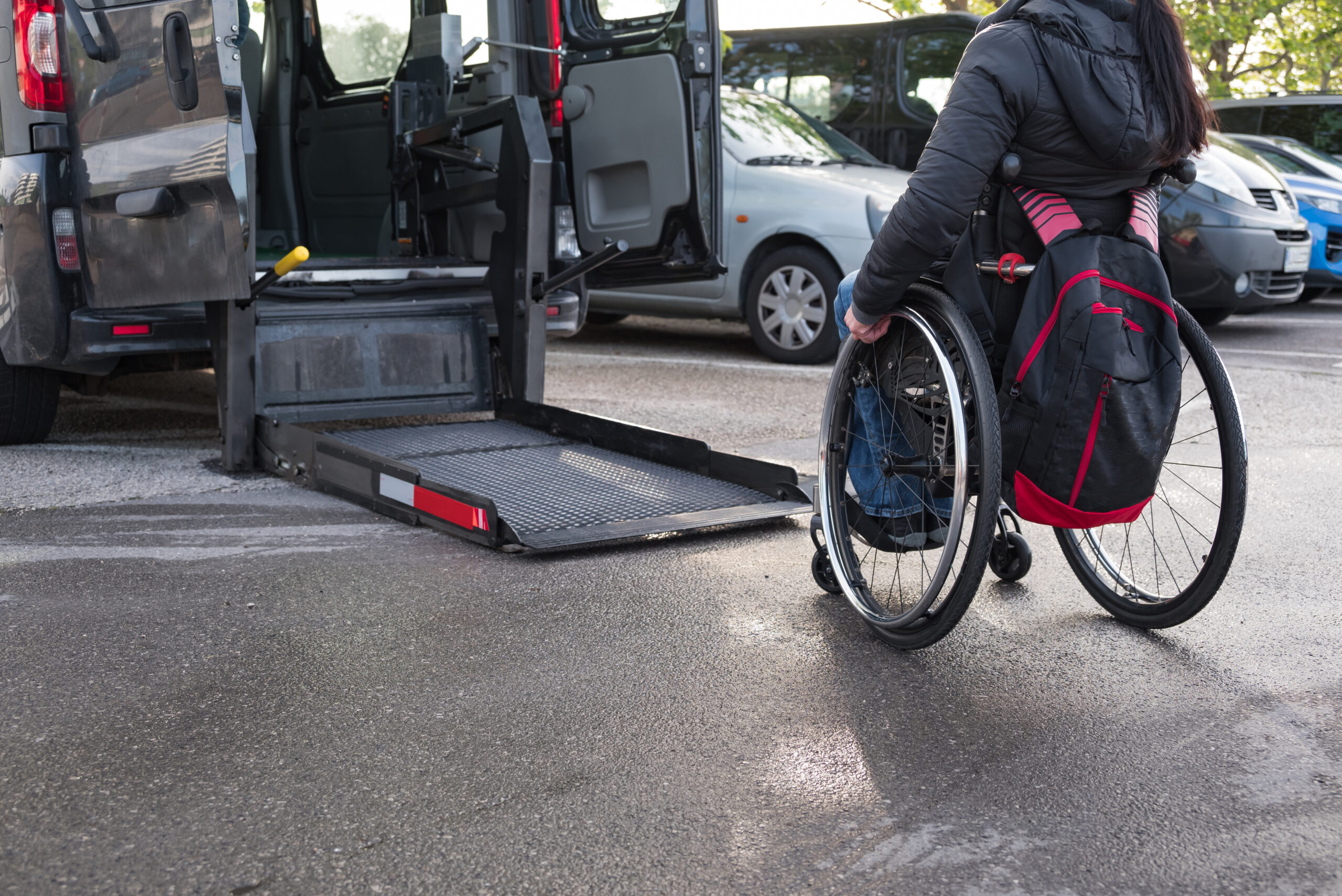
  • Assistance with mobility aids when applicable

  • Respect for privacy, communication preferences, and sensory comfort

  • Recovery-aware pacing during transport

  • Additional time allowed when transitions require a slower pace


Each journey is structured to support predictable transitions and steady movement between care, therapy, and rehabilitation environments.

Comfort & Communication Approach

Many individuals participating in neurological rehabilitation or living with neurodevelopmental conditions benefit from calm environments and predictable transitions.

Eunoia Mobility teams are trained to support a respectful, steady transport experience that prioritizes comfort, clear communication, and routine stability.

Our approach may include:

  • Calm introductions and clear step-by-step communication
  • Respect for communication preferences and sensory sensitivities
  • Allowing additional time when transitions require a slower pace
  • Coordination with caregivers when helpful for reassurance
  • Maintaining a predictable and respectful environment during travel


This approach helps reduce unnecessary stress during movement between care environments.

Supporting Neurodivergent Individuals

Many individuals participating in neurological rehabilitation or living with neurodevelopmental conditions benefit from calm environments, predictable routines, and clear communication.

Eunoia Mobility teams aim to support a steady and respectful travel experience that prioritizes comfort, routine stability, and sensory awareness.

Families may share helpful information about communication preferences, sensory sensitivities, or routines so our team can support a more predictable and comfortable experience.

Our approach may include:

  • Calm introductions and clear step-by-step communication
  • Predictable transitions between environments
  • Respect for communication preferences and sensory sensitivities
  • Allowing additional time when transitions require a slower pace
  • Coordination with caregivers when helpful for reassurance
  • Maintaining a steady, respectful environment during travel


This approach helps reduce unnecessary stress during movement between care and rehabilitation environments.

Preparing for Your Journey

Families often know best what helps their loved one feel comfortable during transitions.

Before the journey, families may choose to share information that helps our team provide a smoother experience, such as:

  • Preferred communication style
  • Sensory sensitivities (sound, lighting, or touch)
  • Mobility aids or adaptive equipment used
  • Helpful routines that support comfort during transitions
  • Whether a caregiver will accompany the individual during transport


Sharing this information is optional, but it can help support a more predictable and reassuring experience for everyone involved.


Our goal is to help each journey feel calm, respectful, and well-coordinated so families can focus on recovery and daily life rather than transportation logistics.

What We Support — and What We Do Not Do

We support

  • Stability-aware movement
  • Coordination of mobility aids and equipment
  • Controlled transitions between environments
  • Predictable and calm travel environments
  • Caregiver communication and coordination


We do not provide:

  • Medical care
  • Clinical assessment
  • Therapy or treatment
  • Emergency services


All services are provided only after documented external clinical clearance

Safety & Stability Considerations

Transport is structured around:

  • Controlled entry and exit transitions
  • Predictable travel pacing
  • Sensory comfort and environmental awareness
  • Coordination with caregivers when appropriate


Mobility teams follow established safety practices and respect any mobility restrictions or guidance provided by the individual’s care team.

Our role is to provide predictable, steady mobility within a clearly defined non-clinical scope.

Planning & Pricing

General pricing guidance is available to support advance planning.

Detailed rate information is provided transparently upon request.

Scope boundaries remain clearly defined for every engagement

Questions & Coordination

Families may contact our team for clarification regarding:

  • Scheduling and arrival timing
  • What to prepare prior to transport
  • Recurring rehabilitation or therapy transport needs
  • Scope boundaries and service expectations


If medical concerns arise at any time, families are directed to their clinical care team.

Help Me Find the Right Support

We’ll guide you to the right mobility system.

Medical & Injury Mobility