Medical Continuity &
Chronic Care Mobility

How We Support Medical Continuity & Chronic Care Mobility

Our Approach

Chronic care does not occur within a single episode of treatment.

Many individuals managing long-term medical conditions rely on recurring access to care environments across weeks, months, or years. These journeys often include specialist consultations, recurring treatments, diagnostic monitoring, and coordinated follow-up care.

Disruptions to these routines — including mobility instability, environmental unpredictability, or fatigue-intensive travel — can create unnecessary barriers to consistent care participation.

Mobility therefore becomes a critical logistical factor in maintaining treatment continuity and predictable access to healthcare environments.

Eunoia Mobility provides clinically-informed, non-clinical mobility coordination designed to support calm, predictable, and dignity-centered movement between care environments and daily life settings. Each journey is intentionally structured to reduce avoidable scheduling disruption, environmental stress, and energy expenditure while preserving clearly defined non-clinical scope boundaries.

All mobility services are provided only following documented external clinical clearance. Eunoia Mobility coordinates mobility for medically stable individuals whose care teams have determined that non-clinical mobility is appropriate.

Our mobility framework focuses on three core principles:

Predictability

Reliable scheduling, consistent arrival windows, and structured coordination help reduce uncertainty across recurring treatment journeys.

This reliability helps ensure individuals arrive within designated treatment windows for time-sensitive care programs such as dialysis, infusion therapy, and oncology treatment cycles.

Energy Preservation

Mobility planning considers fatigue levels, treatment schedules, and the cumulative energy demands associated with ongoing care journeys.

Continuity of Access

Mobility coordination supports consistent access to care environments, helping individuals maintain treatment adherence and predictable participation in long-term care plans.

Care Continuity Pathways We Support

Recurring Treatment Appointments

Structured mobility supporting recurring treatment schedules.

Examples may include:

  • Dialysis treatment sessions
  • Chemotherapy or infusion therapy appointments
  • Cardiac monitoring visits
  • Pulmonary treatment programs
  • Endocrine and metabolic condition management

Mobility Considerations:
  • Schedule reliability
  • Reduced wait-time fatigue
  • Predictable routing
  • Energy-aware pacing

Outcome Focus: Support consistent treatment access and reduce avoidable barriers to ongoing care participation.

Infusion & Oncology Treatment Continuity

Structured mobility coordination supporting individuals participating in recurring infusion and oncology treatment programs.

Many infusion-based therapies follow scheduled treatment cycles that require consistent access to specialized care environments over extended periods of time. Predictable access to these environments helps support treatment adherence, energy management, and continuity of care.

Examples may include:

  • Chemotherapy treatment cycles
  • Immunotherapy programs
  • Biologic infusion treatments
  • IVIG therapy appointments
  • Hospital or clinic-based infusion centers

Mobility Considerations:
  • Predictable arrival windows aligned with infusion scheduling
  • Energy-aware pacing before and after treatment sessions
  • Reduced environmental stress following treatment
  • Coordination with caregivers or care teams when appropriate

Outcome Focus: Support reliable participation in infusion and oncology treatment programs while reducing avoidable barriers to ongoing care.

Cardiology & Heart Failure Care Continuity

Structured mobility coordination supporting individuals managing cardiac conditions and heart-failure care programs requiring recurring monitoring and specialist care.

Cardiology and heart-failure management often require consistent access to specialist clinics, diagnostic monitoring, and treatment follow-up appointments. Predictable mobility coordination helps support long-term disease management and continuity of monitoring across care environments.

Examples may include:

  • Heart-failure clinic appointments
  • Cardiac rehabilitation programs
  • Cardiology specialist consultations
  • Pacemaker or cardiac device monitoring visits
  • Stress testing or cardiac imaging appointments

Mobility Considerations:
  • Predictable scheduling aligned with clinic appointments
  • Reduced physical exertion during entry and exit transitions
  • Energy-aware pacing for individuals experiencing fatigue or reduced stamina
  • Environmental planning to support safe and comfortable movement

Outcome Focus: Support consistent participation in cardiology and heart-failure care programs while reducing logistical barriers to ongoing disease management.

Specialist Consultations & Chronic Care Monitoring

Reliable mobility supporting recurring specialist consultations and condition monitoring.

Examples may include:

  • Cardiology consultations
  • Neurology follow-up visits
  • Oncology clinic appointments
  • Pulmonology or respiratory care programs
  • Endocrinology consultations

Mobility Considerations:
  • Appointment-aligned routing
  • Reduced environmental stress
  • Controlled entry and exit transitions
  • Predictable travel environments

Outcome Focus: Preserve continuity between monitoring appointments and long-term care management.

Diagnostic Testing & Monitoring

Mobility coordination supporting recurring diagnostic evaluations.

Examples may include:

  • Imaging appointments
  • Laboratory monitoring
  • Treatment progress evaluations
  • Multidisciplinary clinic visits

Mobility Considerations:
  • Reduced wait-time fatigue
  • Environmental planning
  • Appointment coordination
  • Energy-conscious pacing

Outcome Focus: Ensure predictable access to diagnostic care environments across chronic care journeys.

Caregiver & Support-Assisted Care Visits

Structured mobility coordination supporting individuals who attend recurring care appointments with family members, caregivers, or home-health aides.

Examples may include:

  • Assisted clinic visits
  • Caregiver-accompanied dialysis sessions
  • Post-treatment monitoring visits

Mobility Considerations:
  • Coordinated pickup timing for patient and caregiver
  • Reduced physical exertion during transfers
  • Clear communication with caregivers regarding scheduling changes

Outcome Focus: Support safe and predictable care participation while enabling caregiver involvement.

Post-Treatment Recovery Mobility

Mobility coordination supporting individuals returning home following treatment sessions that may involve fatigue or temporary recovery needs.

Certain chronic care treatments — including dialysis, chemotherapy, infusion therapy, and some cardiac diagnostic procedures — may leave individuals temporarily fatigued, physically weakened, or sensitive to environmental stress.

Structured mobility coordination can help ensure safe, comfortable return to home environments following treatment participation.

Examples may include:

  • Post-dialysis return trips
  • Post-infusion or chemotherapy recovery travel
  • Post-treatment monitoring visits
  • Return travel following cardiac or diagnostic testing

Mobility Considerations:
  • Reduced physical strain during entry and exit transitions
  • Calm travel environments following treatment sessions
  • Energy-aware pacing during transport
  • Coordination with caregivers when additional assistance is helpful

Outcome Focus: Promote safe and comfortable return to home environments while reducing post-treatment fatigue and supporting continuity of care.

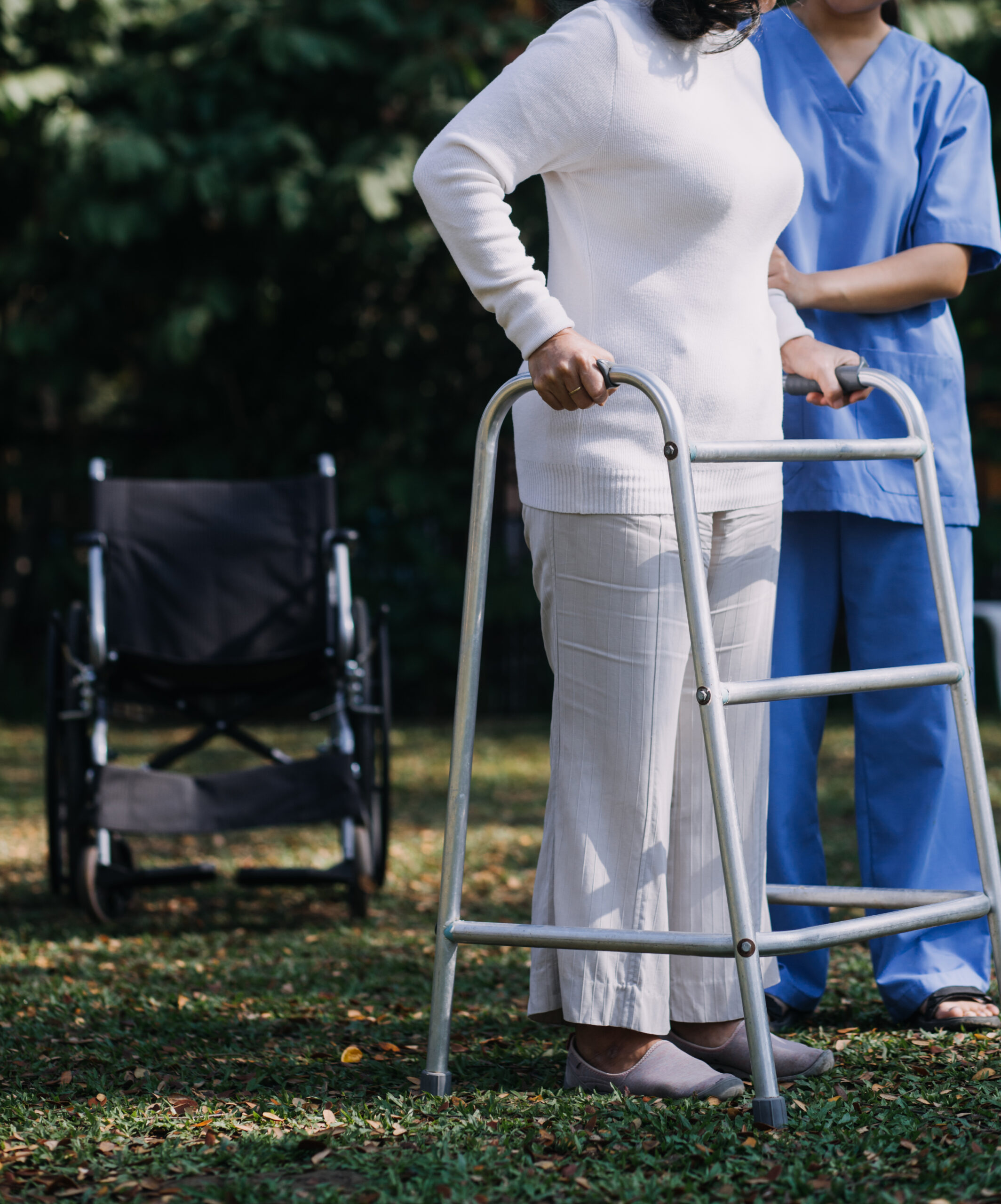
Home, Residence & Community Access

Mobility supporting individuals navigating care access across residential and community environments.

Examples may include:

Residence → Clinic → Treatment Center → Residence

Mobility Considerations:

  • Controlled transitions
  • Environmental access planning
  • Energy-aware pacing
  • Caregiver coordination when applicable

Outcome Focus: Reduce environmental barriers to accessing care while preserving clearly defined non-clinical boundaries.

Additional Mobility Support

Environment-Aware Home Access

Mobility supporting individuals navigating complex residential environments during chronic care journeys.

Examples may include:

Residence → Entry → Transition → Interior Access

Mobility Considerations:

  • Stairs and narrow entries
  • Elevator and parking constraints
  • Uneven access points
  • Controlled transition pacing

Outcome Focus: Reduce environmental friction and support safe transitions between residential environments and care settings.

Multi-Stop Care Days

Structured mobility coordination across multiple care environments within a single day.

Examples may include:

Clinic → Diagnostic Testing → Treatment Center → Residence

Mobility Considerations:

  • Sequenced routing
  • Energy-conservation pacing
  • Reduced cumulative fatigue
  • Structured transition timing

Outcome Focus: Support predictable care participation across complex daily treatment schedules.

Non-Clinical Scope & Structural Boundary

Help Me Find the Right Support

We’ll guide you to the right mobility system.

Medical & Injury Mobility